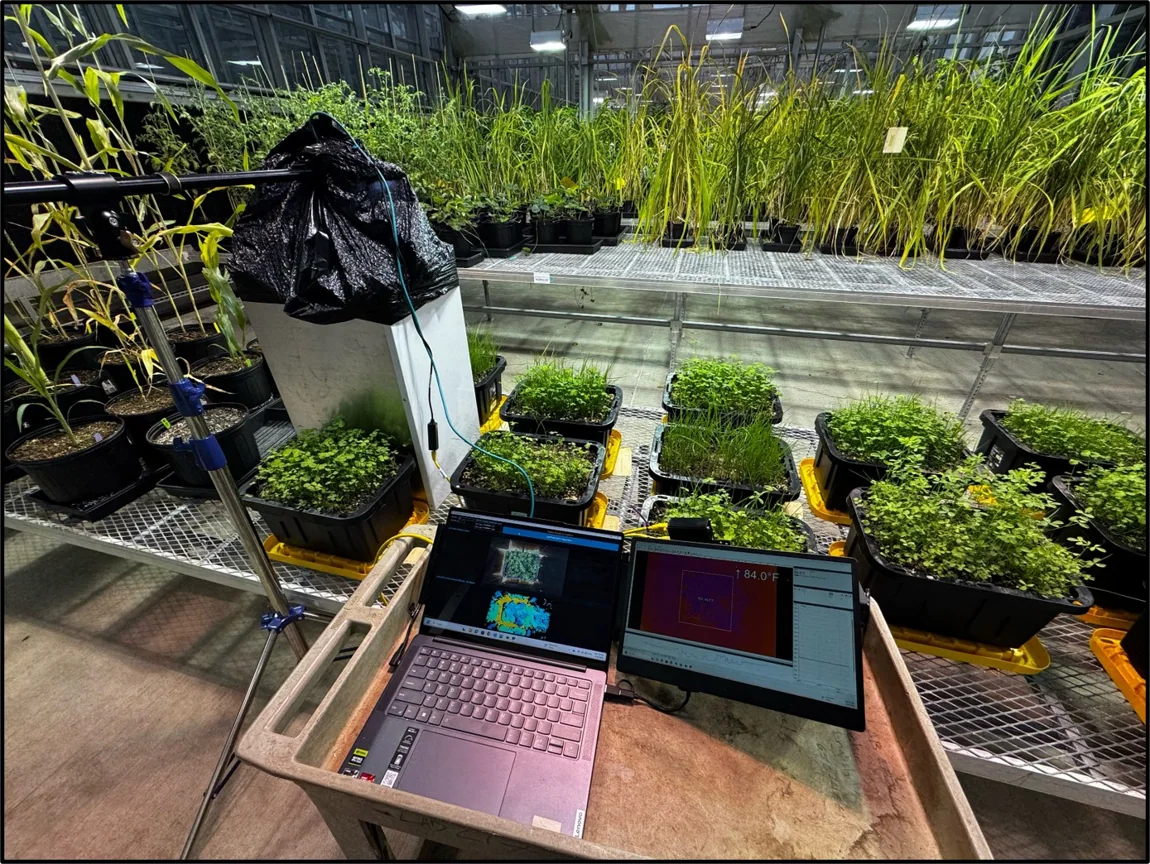
Doctoral research
Computer vision for livestock production
Using crop imaging and sensing to identify forage species, estimate yield, and support livestock measurements.
Clemson University Agricultural Sciences
I’m Jasanmol Singh, a Ph.D. researcher developing tools to identify forage species, estimate biomass, and support livestock production.
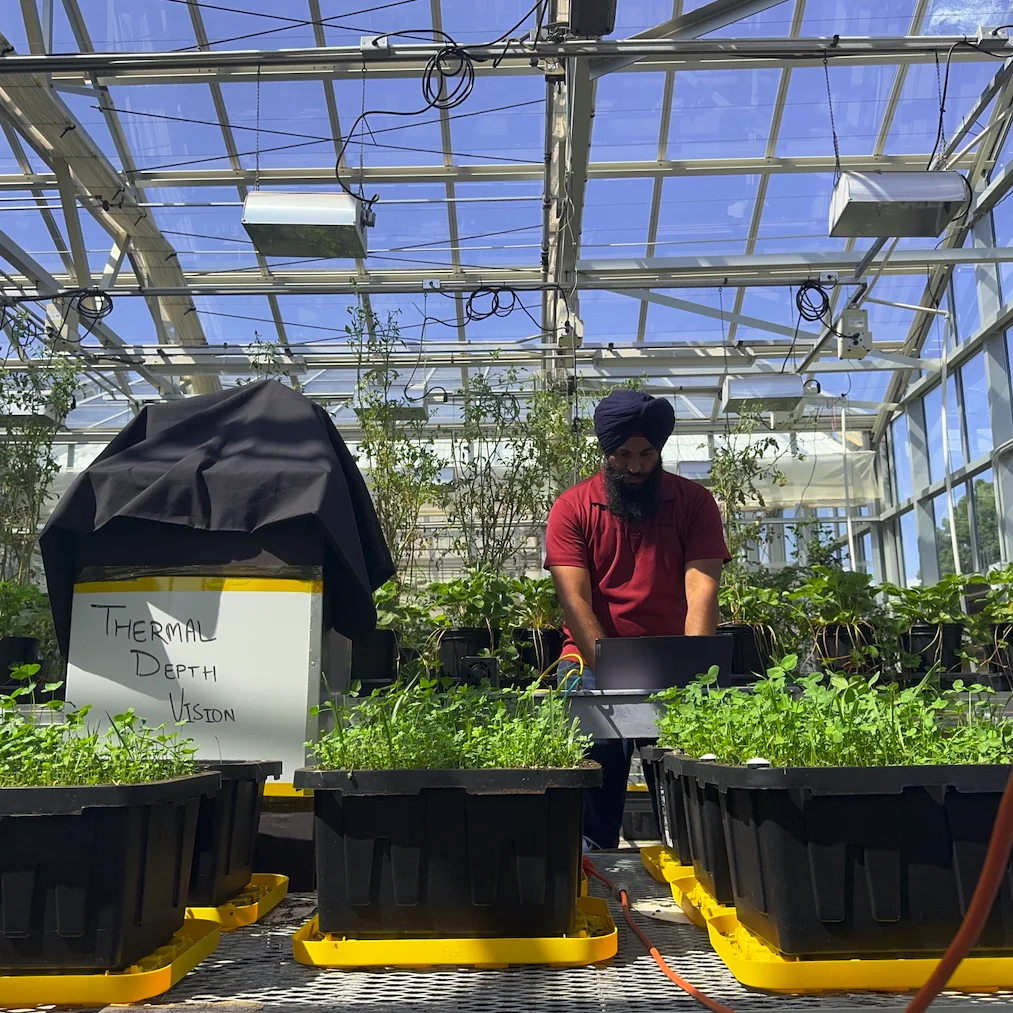
Doctoral research
Using crop imaging and sensing to identify forage species, estimate yield, and support livestock measurements.
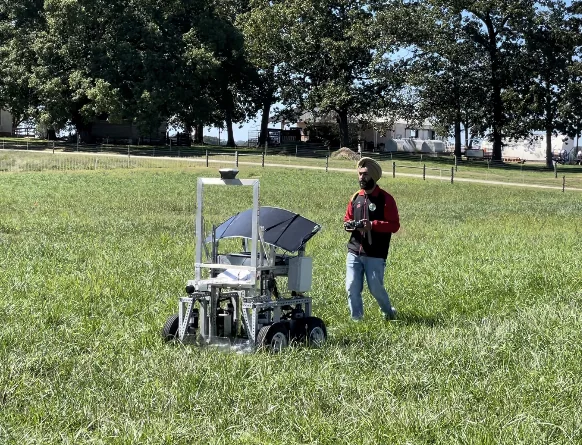
Master’s research
Measuring aboveground pasture biomass with ground robots, unmanned aircraft, and field sensors.
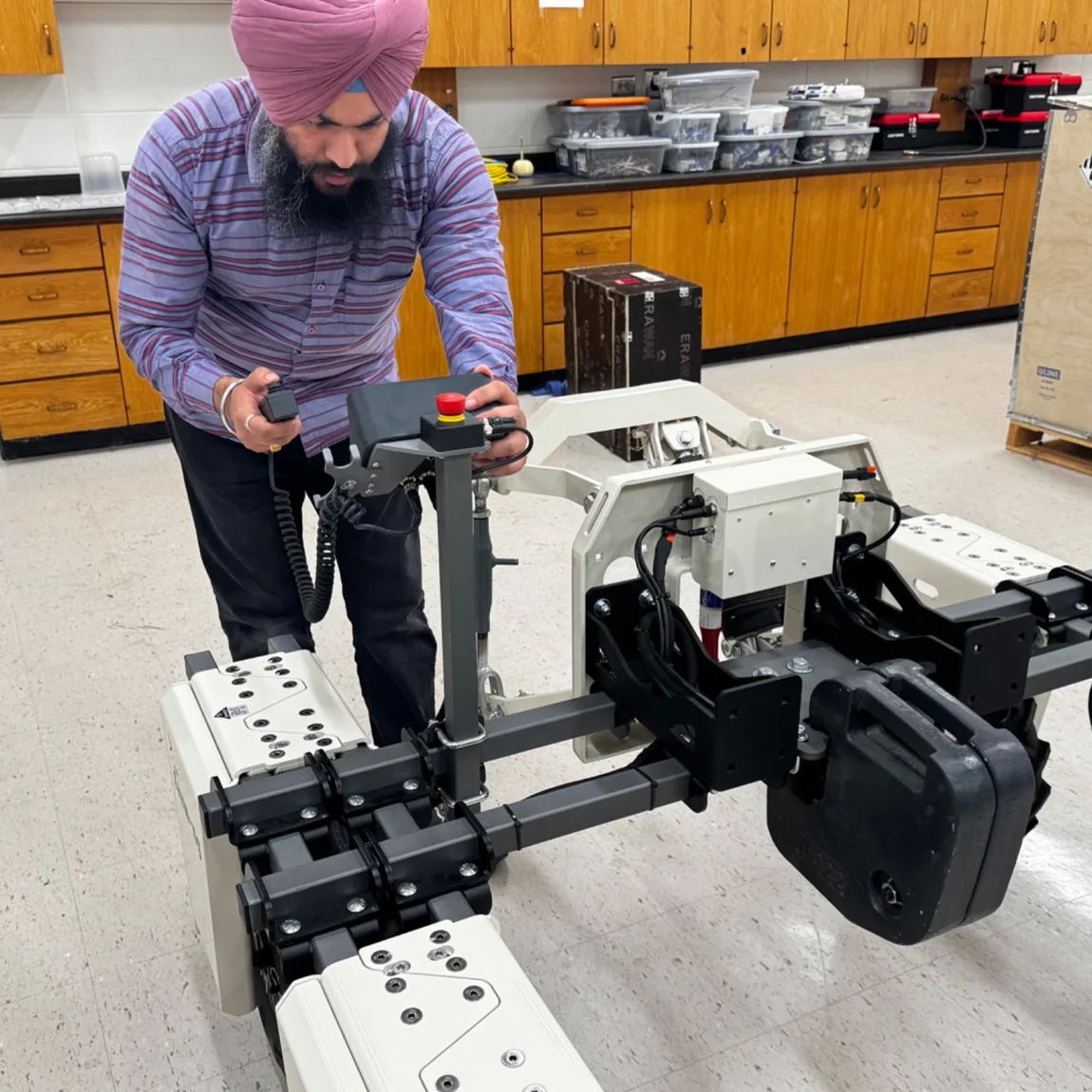
Engineering projects
Hands-on projects in orchard sensing, poultry robotics, and automated field equipment.
Recent publication
Smart Agricultural Technology 2026
About
I train machines to recognize plants and calculate their population: A skill that turns out to be surprisingly valuable when your goal is helping feed the growing planet.
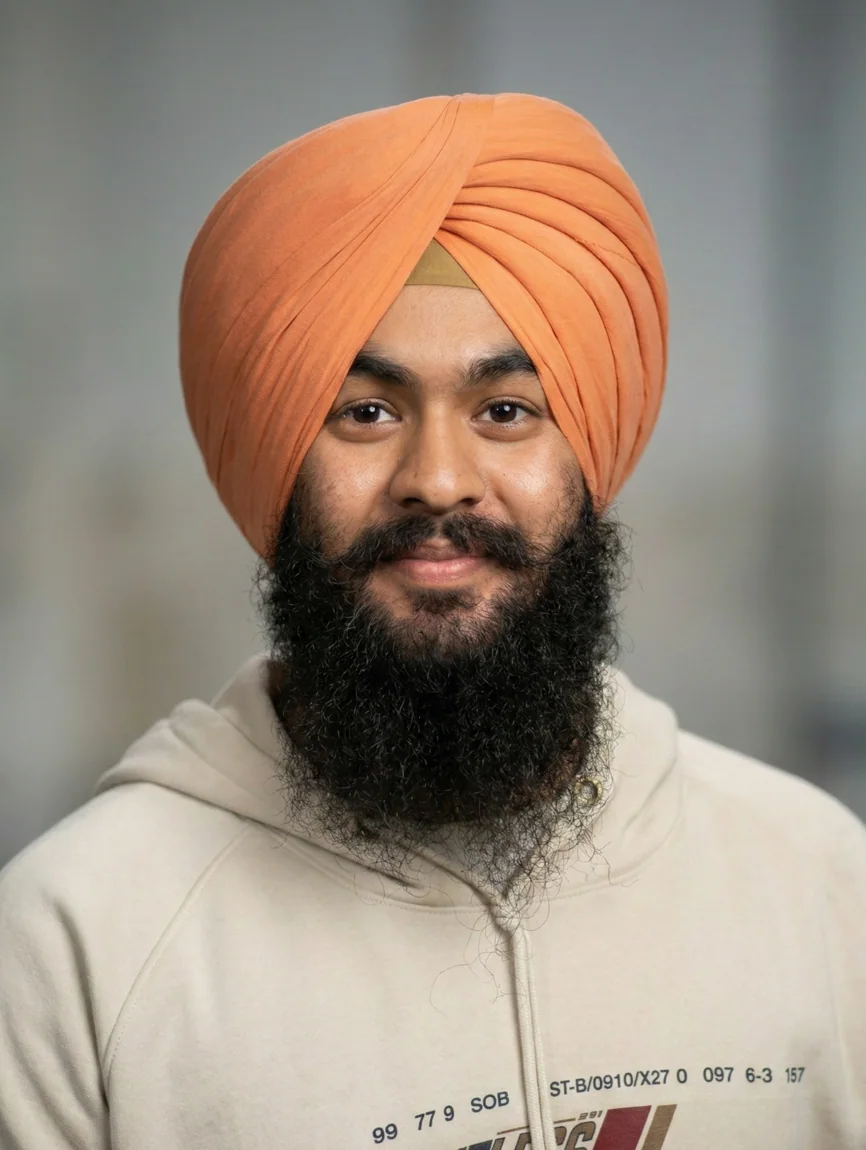
Welcome! My name is Jasanmol Singh. It comes from a combination of two words, "precious" and "prosperity" in many Indian languages (Hindi/Punjabi). I am a Ph.D. researcher in the Agricultural Sciences department at Clemson University, where my work focuses on agricultural robotics and artificial intelligence to advance smarter, data-driven farming systems.
My academic journey began at Punjab Agricultural University in India, where I earned my B.Tech. in Agricultural Engineering. Following that, I completed my M.Sc. in Agricultural Systems Management at Clemson. During my master’s studies, I joined the Koc's Agricultural Mechatronics Systems (K’AMS) Lab under the mentorship of Dr. Ali Bulent Koc, developing technologies to estimate forage biomass using unmanned vehicles and field sensors- essentially giving farmers better insights without requiring superpowers.
Now, as a doctoral researcher in the KAMS lab, I focus on forage species identification and biomass yield prediction. My goal is simple: build intelligent technologies that move beyond research papers and into the hands of producers, helping shape a more efficient and sustainable future for agriculture.
When I’m not training algorithms or working with my robots, you’ll likely find me exploring nature- sometimes for research, sometimes just to enjoy it without collecting data. I value meaningful conversations, diverse perspectives, and experiences that expand how we understand both technology and the world around us.